Mineral Swim
Winter Pool Problems Every Aussie Pool Owner Should Avoid
18 June, 2026
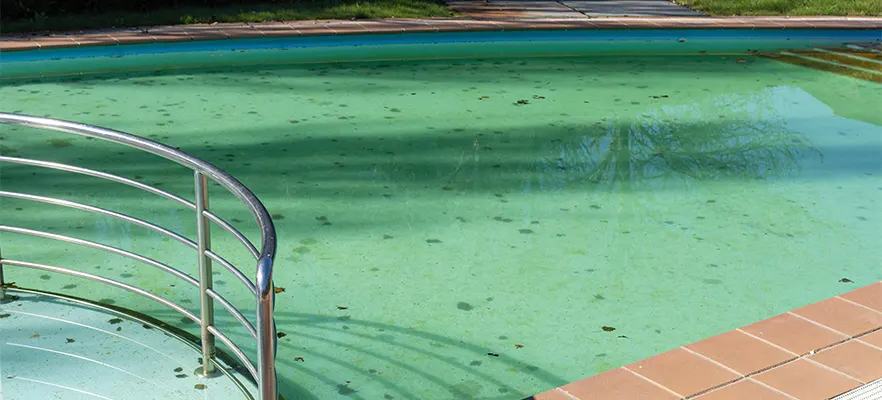
Winter is the most common time for pool problems to quietly develop in Australian pools — and most owners don't notice until summer arrives. Reduced filtration times, fluctuating temperatures, and neglected water chemistry can lead to algae outbreaks, cloudy water, corroded equipment and expensive repairs.
The good news: nearly all winter pool problems are preventable with a consistent maintenance routine using the right pool chemicals, pool oxidisers, pool balancers and pool sanitisers.
This guide covers the six most common winter pool mistakes Australian pool owners make and how to avoid them.
Quick Summary
Pool care during winter:
Test water chemistry at least fortnightly during
Maintain sanitiser levels even when the pool isn't in use
Run your filtration system daily, even for shorter cycles
Use pool oxidisers regularly to remove organic buildup
Don't neglect your spa - warmer water means higher chemical demand
Visit your nearest Elite Dealer for a professional water test
1. Algae Growth During Winter
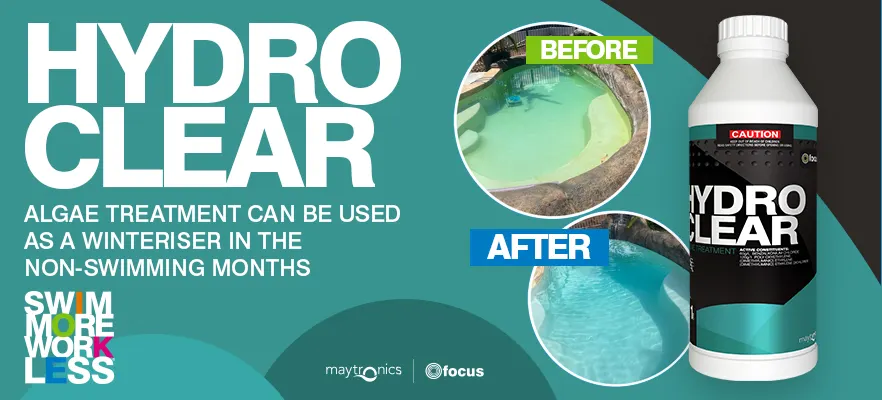
Can algae grow in a cold pool? Yes, it's one of the most common winter pool problems in Australia.
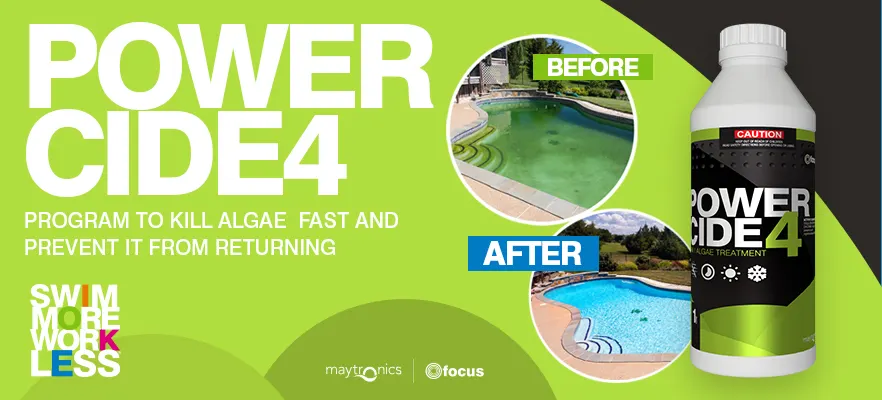
Many pool owners assume algae only appears in summer. While cooler water slows algae growth, it does not stop it. Reduced filtration run times, poor circulation and inconsistent sanitiser levels create ideal conditions for green, black and mustard algae to take hold.
How to prevent winter algae:
Maintain consistent pool sanitiser levels throughout winter - don't reduce chlorine output too aggressively
Run your filtration system daily, even for reduced cycles
Apply a pool oxidiser such as Focus Shock N' Clear regularly to break down organic contaminants before they feed algae growth
Brush walls and floors weekly to disrupt early algae formation
For pools running mineral systems such as Mineral Swim™, maintaining the correct balance between minerals and sanitisers remains critical during winter to keep water clean and clear.
2. Unbalanced Water Chemistry
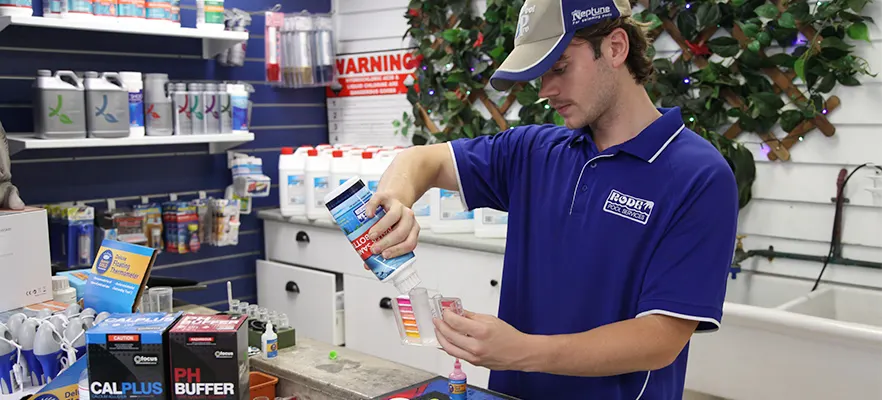
Unbalanced pool water is the leading cause of equipment corrosion, surface damage and poor sanitiser performance — and winter rain makes it worse.
Rainfall, falling leaves and temperature swings all affect pH, alkalinity and calcium hardness. Because pools are used less in winter, many owners skip water testing - allowing imbalances to worsen unnoticed over months.
Using quality pool balancers stabilises your water chemistry, protects equipment and ensures your sanitisers and oxidisers work effectively.
Mineral Swim™ pools still depend on balanced water chemistry to perform correctly - minerals do not replace the need for regular testing and adjustment.
📍 Visit your nearest Elite Dealer for a professional water test this winter.
3. Cloudy Pool Water in Winter
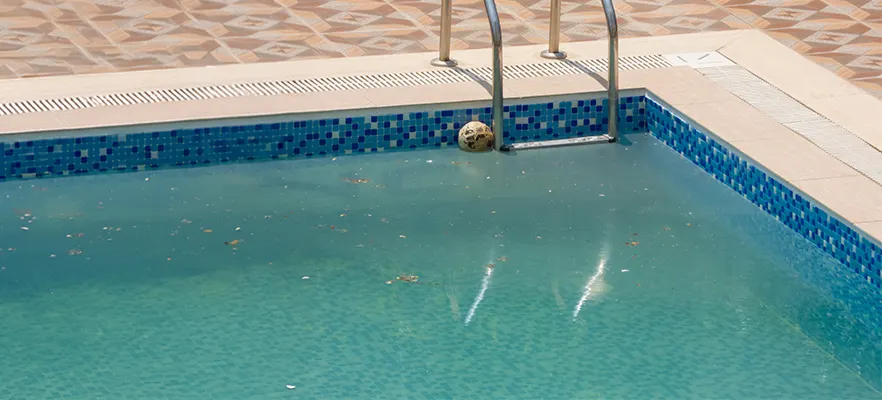
A combination of poor filtration, organic contamination and low oxidiser levels almost always causes cloudy pool water.
Even when the pool isn't being used, leaves, dust, bird droppings and other debris enters the water continuously. Without regular oxidation, these contaminants accumulate and cloud the water.
How to fix and prevent cloudy winter pool water:
Use a pool oxidiser such as Focus Products Clean N' Swim regularly to eliminate organic matter that standard sanitisers alone can't fully remove
Clean skimmer and pump baskets at least weekly
Brush pool walls and vacuum the floor fortnightly
Ensure your filtration schedule runs sufficiently - at least 4–6 hours per day in winter
4. Low Pool Sanitiser Levels
Reducing chlorine too aggressively in winter is one of the most common — and costly — pool maintenance mistakes.
While chlorine demand decreases slightly in cooler weather, your pool still requires effective sanitation year-round. Low sanitiser levels allow bacteria and algae to establish quickly, especially after rain introduces new organic load into the water.
Recommended approach:
Test sanitiser levels at least every two weeks during winter
Use Focus Stabilised Chlorine or liquid chlorine to maintain free chlorine between 1–3 ppm
After heavy rain, test and adjust immediately
5. Equipment Damage from Winter Neglect
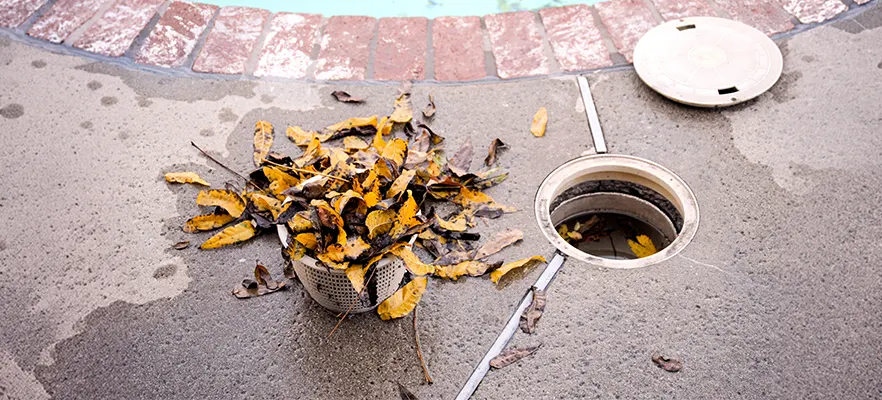
Dirty filters, blocked baskets and scaled salt cells are the most common causes of pool equipment failure — and most of it happens during winter.
When pool owners reduce maintenance frequency in cooler months, equipment suffers. Filters accumulate oils and debris, salt chlorinator cells scale up, and pump efficiency drops - all of which shorten equipment lifespan and increase repair costs.
Winter equipment maintenance checklist:
Clean or backwash filters monthly (or when pressure rises 7–10 psi above normal)
Inspect and clean salt chlorinator cells every 6–8 weeks
Clear skimmer and pump baskets weekly
Check for leaks around fittings and seals before they worsen in colder conditions
Mineral Swim™ systems can reduce some scaling tendencies, but they do not eliminate the need for regular equipment maintenance.
6. Neglecting Your Spa in Winter
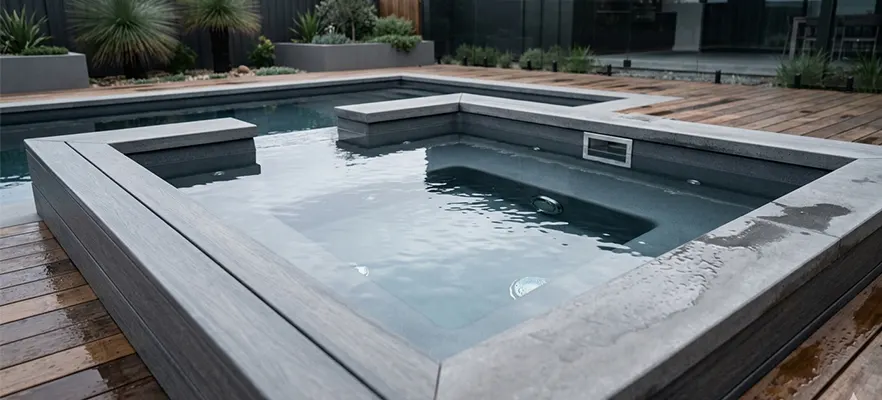
Winter is when spa usage peaks, which means spa water chemistry requires more attention, not less.
Warmer water temperatures and higher bathing loads significantly increase the demand on spa water chemistry. Spas heat up faster than pools and lose chemical balance more quickly, making regular testing essential.
Spa winter maintenance tips:
Test spa water at least twice per week during regular use
Use spa-specific pool balancers such as OSPA Ezi Balance to maintain stable water chemistry
Shock the spa with a pool oxidiser after each heavy bathing session
Rinse filters weekly and deep clean monthly
Keep Your Pool Healthy All Winter Long
Consistent winter pool maintenance prevents the cloudy water, algae outbreaks and equipment repairs that catch many Aussie pool owners off guard each spring.
A simple routine built around regular water testing, proper filtration and the right combination of pool chemicals, pool oxidisers, pool balancers and pool sanitisers is all it takes to keep your pool clean, balanced and ready for summer.
Not sure where to start? Visit your nearest Elite Dealer for expert advice and a professional water test.
Frequently Asked Questions
Do I need to add pool chemicals in winter? Yes. Pool chemicals — including sanitisers and balancers — are necessary year-round. While chemical demand may be slightly lower in cooler months, neglecting water chemistry in winter leads to algae, corrosion, and equipment damage.
How often should I test my pool water in winter? At minimum, test your pool water fortnightly during winter. After heavy rain or significant temperature changes, test immediately and adjust as needed.
Can algae grow in a pool in winter? Yes. Algae can grow in cold water, just more slowly. Poor circulation, low sanitiser levels and organic debris all create conditions for algae growth even during cooler months.
What pool oxidiser should I use in winter? Focus Products Shock N' Clear and Clean N' Swim are both effective options for winter oxidising. Regular oxidiser treatments remove organic contaminants and support sanitiser performance.
Do mineral swimming pool systems still need maintenance in winter? Yes. Mineral systems like Mineral Swim™ still require balanced water chemistry, regular sanitiser levels and routine equipment maintenance throughout winter to perform effectively.
How long should I run my pool filter in winter? Run your pool filter for at least 4–6 hours per day during winter, depending on pool size and debris load. Reducing run time too aggressively contributes to cloudy water and algae problems.
Mineral Swim Stories
How does Mineral Swim help?
Mineral Swim benefits